




When peak-season produce fills farmers’ markets and grocery stores, a few simple storage habits—and the help of modern refrigeration technology—can help food stay fresh, reduce waste, and support a more sustainable kitchen.
Discover practical food storage tips below and learn about the revolutionary technologies that keep your food at peak freshness for longer, setting Sub-Zero Refrigeration apart.
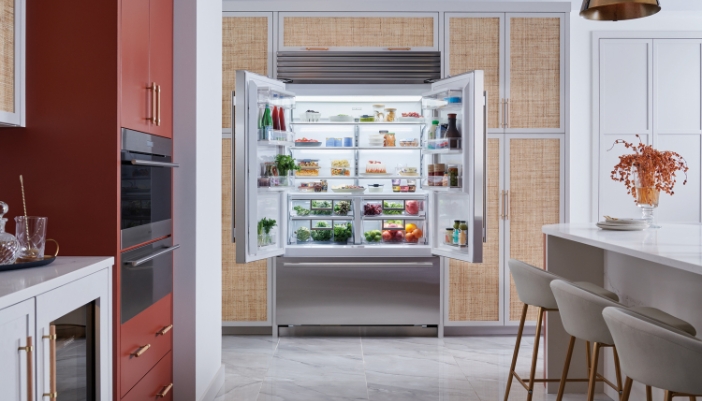
Different fruits and vegetables need different storage environments. Proper organization creates the ideal microclimate for every ingredient in your refrigerator.
Each Sub-Zero refrigerator includes a Freshness Card to make stocking easier. It shows where to store common ingredients—such as ripe pears on a refrigerator shelf and cucumbers in a refrigerator drawer—so you can build better storage habits from day one and maximize the benefits of Sub-Zero’s food preservation technology.
Store Produce by Temperature and Humidity Needs
Sub-Zero Refrigeration helps create the right conditions for fresh produce with the Split Climate™ intelligent cooling system. Independently controlled crisper drawers allow you to tailor temperature settings for different ingredients—such as leafy greens in one zone and squash or peppers in another.
While items such as grapefruit, pineapple, cantaloupe, and ripe avocados are best kept in the main refrigerator, many other fresh fruits and vegetables—like asparagus, cucumbers, apples, and berries—are best kept in the refrigerator’s drawers.
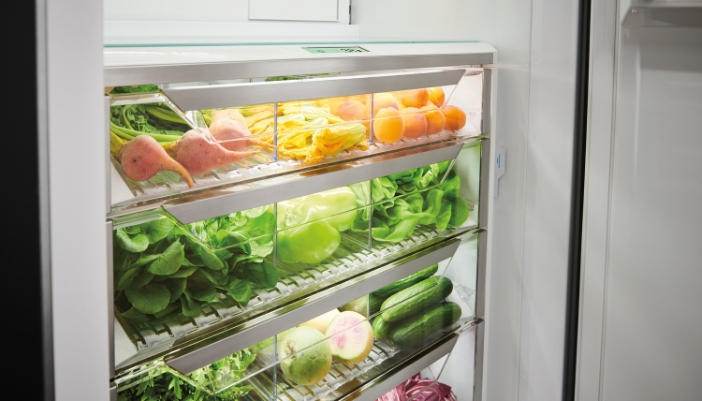
Separate Ethylene-Producing and Ethylene-Sensitive Foods
Ethylene gas naturally helps some fruits and vegetables ripen, but it can cause others to spoil faster. Sub-Zero’s NASA-inspired Air Purification System cycles the air inside the refrigerator every 20 minutes, reducing ethylene gas and odors to keep food fresher longer.
To help reduce food waste, store ethylene-producing foods—such as apples, apricots, cantaloupe, and plums—away from ethylene-sensitive items like carrots, broccoli, fresh herbs, and leafy greens.
Certain ethylene-producing foods—like avocados, mangos, and pears—should ripen on the counter before refrigeration. And some foods—like eggplant, bananas, potatoes, and tomatoes—should never be refrigerated.
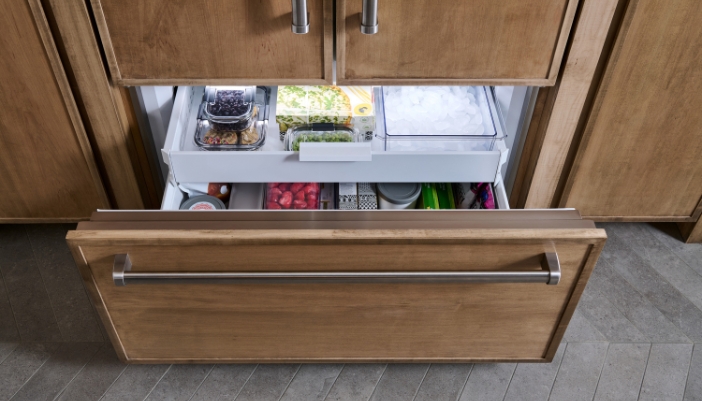
Fresh and Frozen Air Shouldn’t Be Shared
Fresh and frozen foods need different environments to stay at their best: fresh foods benefit from humidity, while frozen foods need dry, consistent air to maintain quality and help prevent freezer burn.
Sub-Zero’s Dual Refrigeration® system uses separate cooling systems for the refrigerator and freezer, helping each compartment maintain the right temperature and humidity. This separation helps preserve moisture in fresh foods, keeps cold freezer air where it belongs, and reduces odor transfer to frozen foods and ice.
Advanced engineering, premium-grade materials, exacting craftsmanship, and rigorous testing mean your Sub-Zero will withstand at least 20 years of everyday use.
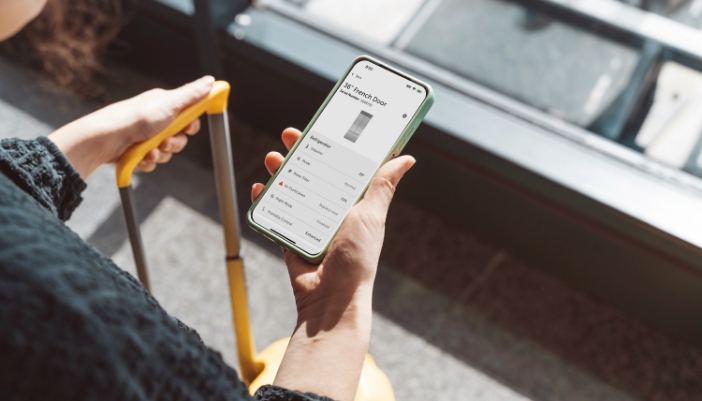
Sub-Zero Refrigeration also offers smart features through the Sub-Zero Group Owner’s App. Control temperature and humidity, adjust modes and ice production, receive notifications and reminders, and more from your smartphone, whether at home or away. This added control helps maintain the conditions your ingredients need to stay at their best.
Whether you’re shopping the late-summer farmers’ markets or stocking up for fall, these storage tips—combined with Sub-Zero’s trusted preservation technology—help keep ingredients fresher longer, reduce waste, and support a more sustainable approach to enjoying fresh food.
See Luxury Kitchen Appliances in Person.
Visit your nearest Sub-Zero, Wolf, and Cove Showroom at clarkeliving.com to explore food preservation and configuration options firsthand, or contact Percy’s Appliance for availability, pricing, and sizing guidance.
Photo Credit: Sub-Zero, Wolf, and Cove